




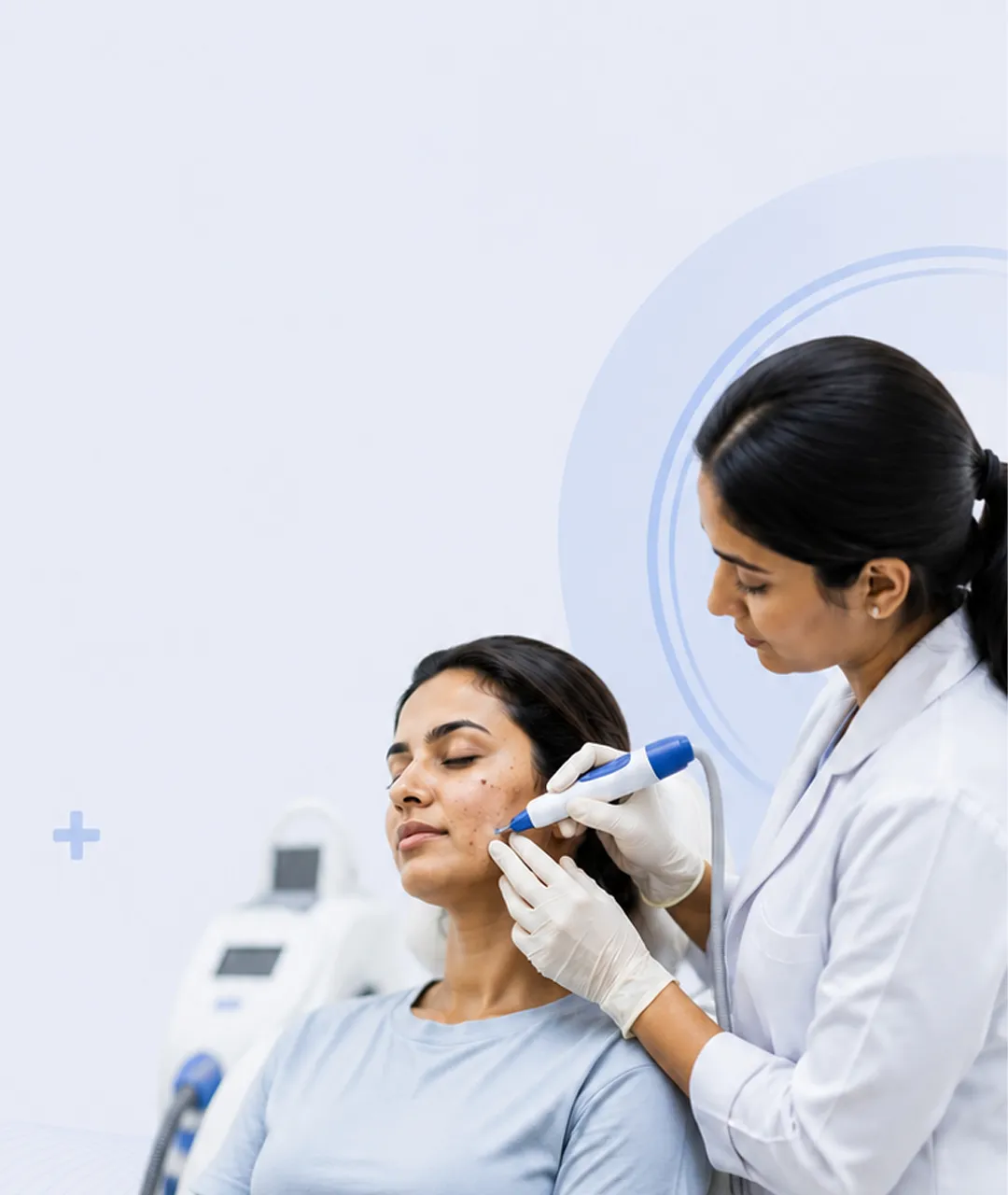
Recurring skin allergies, itching, red rashes, swelling, or blistering are often caused by an underlying allergic reaction, contact dermatitis, eczema, medications, certain foods, or exposure to environmental irritants. Identifying the exact trigger is essential because recurring symptoms usually indicate that the root cause has not been properly addressed.
Many people rely on temporary treatments that reduce symptoms for a short time, but the allergy can return if the trigger remains unidentified. A proper skin allergy evaluation helps determine whether your symptoms are caused by an allergy, irritation, or another skin condition, allowing for more accurate and effective treatment.
A detailed dermatological assessment, combined with a thorough medical history and allergy testing when clinically necessary, helps identify the underlying cause of recurring skin reactions. This personalized approach supports long-term relief, reduces future flare-ups and helps restore healthier, more comfortable skin.

Contact allergies occur when the skin reacts to substances that come into direct contact with it, leading to itching, redness, rashes, burning, swelling, or blistering. Common triggers include cosmetics, skincare products, hair dyes, fragrances, metals such as nickel, detergents, topical medications and occupational exposures. A detailed evaluation is essential to identify the exact cause and provide effective skin allergy treatment in Chennai.
A comprehensive skin allergy assessment focuses on when the reaction started, the products or materials you were exposed to, your work environment, previous allergy history and whether the rash keeps recurring. This helps determine whether the condition is caused by allergic contact dermatitis, irritant contact dermatitis, eczema, or another skin disorder that may require a different treatment approach.
When clinically indicated, a dermatologist may recommend patch testing to identify specific substances that are causing the allergic reaction. Patch testing is a well-established diagnostic method for evaluating contact allergies and is performed only when appropriate based on your symptoms and medical history.
Once the trigger is identified, treatment focuses on avoiding the allergen, restoring the skin barrier, controlling inflammation and preventing future flare-ups. At Safa Skin and Hair Clinic, we provide evidence-based skin allergy treatment in Egmore and Chennai with personalized guidance on safe skincare products, trigger avoidance and long-term management for recurring contact allergies.

Skin allergies occur when the immune system reacts to allergens or irritants such as cosmetics, skincare products, hair dyes, metals like nickel, detergents, medications, certain foods, dust mites, pollen and environmental triggers. The most common symptoms include itching, red rashes, hives, swelling, burning, blistering and dry or inflamed skin.
Many people continue to experience recurring skin allergies because the underlying trigger has not been identified. Temporary relief with over-the-counter creams or home remedies may reduce symptoms for a short time, but repeated exposure to the allergen can cause chronic eczema, contact dermatitis, persistent inflammation and recurrent flare-ups.
A proper diagnosis is essential because conditions such as allergic contact dermatitis, irritant dermatitis, eczema, fungal infections and other inflammatory skin disorders can appear similar. Identifying the exact cause helps provide effective skin allergy treatment in Egmore and Chennai while reducing the risk of future reactions.
A dermatologist evaluates skin allergies through a detailed medical history, assessment of symptoms, examination of the affected skin and review of possible allergen exposure at home, work, or through personal-care products. The pattern, location, duration and recurrence of the rash help determine the most likely cause.
When clinically indicated, patch testing may be recommended to identify specific substances responsible for allergic contact dermatitis. Patch testing is a medically accepted diagnostic method used only when appropriate based on the patient’s symptoms and clinical findings.
Treatment depends on the underlying diagnosis and may include prescription creams, oral antihistamines, anti-inflammatory medications, skin barrier repair, moisturization and guidance on avoiding identified allergens. The goal is not only to relieve itching and rashes but also to prevent recurring skin allergies through targeted treatment and long-term management.
Our approach focuses on identifying the root cause of your skin allergy and creating a personalized treatment plan based on clinical evaluation. Every patient receives an evidence-based assessment rather than a one-size-fits-all treatment approach.
The evaluation includes a detailed consultation, dermatological examination, review of skincare products, occupational exposure, medications and lifestyle factors that may contribute to allergic reactions. When necessary, appropriate allergy testing is performed to confirm the diagnosis.
Based on the findings, we develop a personalized treatment plan that focuses on symptom relief, skin healing, trigger avoidance and prevention of future flare-ups. Patients also receive guidance on safe skincare products, daily skin protection and follow-up care to improve long-term skin health and reduce the recurrence of skin allergies.
At Safa Skin and Hair Clinic, we provide personalized, evidence-based skin allergy treatment focused on identifying the underlying cause of recurring allergies, relieving symptoms and preventing future flare-ups for long-term skin health. Our dermatologist performs a detailed evaluation to diagnose conditions such as contact dermatitis, eczema, hives and other allergic skin disorders. When clinically appropriate, patch testing may be recommended to identify allergy triggers. Based on the diagnosis, we create an individualized treatment plan that focuses on symptom relief, skin barrier repair, trigger avoidance and long-term management. Conveniently located in Egmore, we offer comprehensive skin allergy treatment for patients across Chennai with a patient-centered approach.
A skin allergy evaluation is recommended if you have recurring itching, red rashes, hives, swelling, blistering, or skin irritation that does not improve with routine skincare or over-the-counter treatments. Repeated allergic reactions often indicate an underlying trigger that requires proper diagnosis and targeted treatment.
You may benefit from a dermatological evaluation if you develop reactions after using cosmetics, skincare products, hair dyes, perfumes, detergents, jewelry, topical medications, or if you experience work-related skin irritation. People with recurring eczema, contact dermatitis, unexplained allergic rashes, or suspected medication allergies should also seek specialist assessment. Early evaluation helps identify triggers and prevent complications.
During your consultation, a dermatologist will carefully assess your symptoms, medical history, previous allergy episodes and possible exposure to allergens at home, work, or through personal-care products. The location, pattern, duration and recurrence of the rash provide important clues.
A thorough skin examination is performed to determine whether your symptoms are caused by allergic contact dermatitis, irritant dermatitis, eczema, urticaria (hives), or another skin disorder. Your current skincare products, medications, cosmetics and occupational exposures may also be reviewed. When clinically appropriate, patch testing may be recommended to identify specific triggers.
The recovery time for a skin allergy depends on the underlying cause, the severity of the reaction and whether the trigger can be identified and avoided. Mild allergic rashes may improve within a few days, while contact dermatitis and eczema-related skin allergies may require several weeks of treatment and follow-up care.
For many patients, symptom relief begins within days of starting appropriate treatment, but complete healing often takes longer, especially if the skin barrier has been significantly damaged. Avoiding the identified allergen is an important part of recovery and helps prevent recurrence. Long-term management may be necessary for chronic eczema or repeated exposure.
Most skin allergies can be evaluated and treated by a dermatologist, but certain symptoms require immediate medical attention. Seek urgent care if you develop swelling of the face, lips, tongue, or throat, difficulty breathing, severe dizziness, or widespread blistering.
You should also seek prompt medical evaluation if a skin rash is accompanied by fever, rapidly spreading redness, severe pain, signs of infection, or if a reaction occurs after starting a new medication. These symptoms may indicate a more serious allergic reaction or another medical condition that requires immediate treatment. Early assessment helps prevent severe complications.
We review the reaction pattern, daily products, workplace exposure, jewellery, medicines and previous allergy history.
An investigation pathway is created using clinical assessment, product review and patch testing when appropriate.
Active irritation is managed with suitable medication and barrier care while suspected triggers are carefully eliminated.
Personalised avoidance guidance and product recommendations help reduce accidental exposure and repeated allergic reactions.