




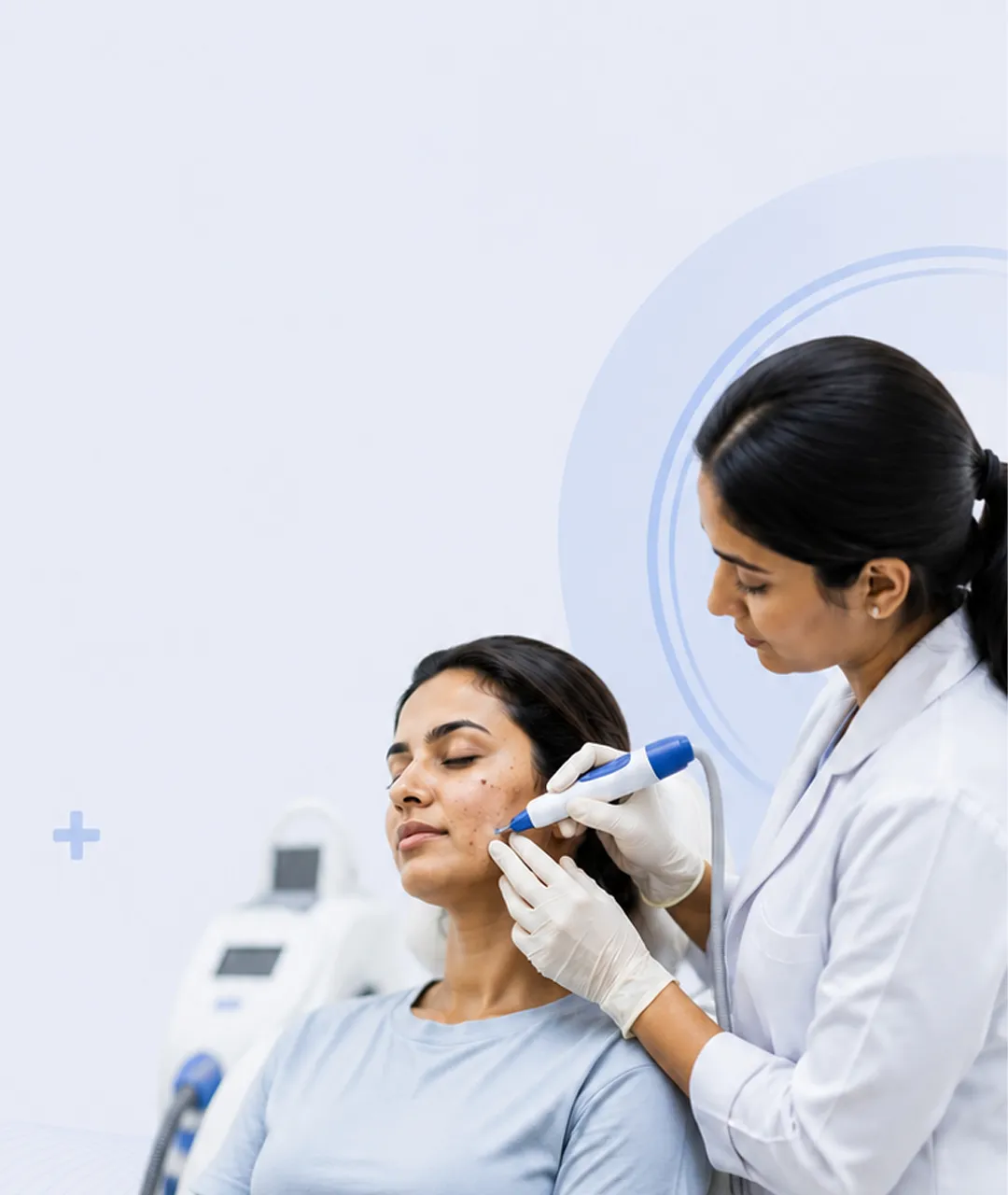
Acne scars can be treated and the right treatment depends on the type and depth of the scar. Most acne scars develop after inflammation damages the skin and affects the way collagen heals during the recovery process.
Acne scars may appear as small pits, rolling depressions, boxcar scars, enlarged pores, or raised scars. Some scars are shallow and respond well to skin-renewing treatments, while deeper scars usually require combination procedures for better improvement. Because different scar types respond differently, an accurate diagnosis is the first step in planning effective acne scar treatment in Egmore.
A dermatologist carefully evaluates your skin texture, scar pattern, skin tone and healing response before recommending treatment. This personalized approach helps select the most suitable treatment options and avoids unnecessary procedures that may not benefit your specific type of acne scar.
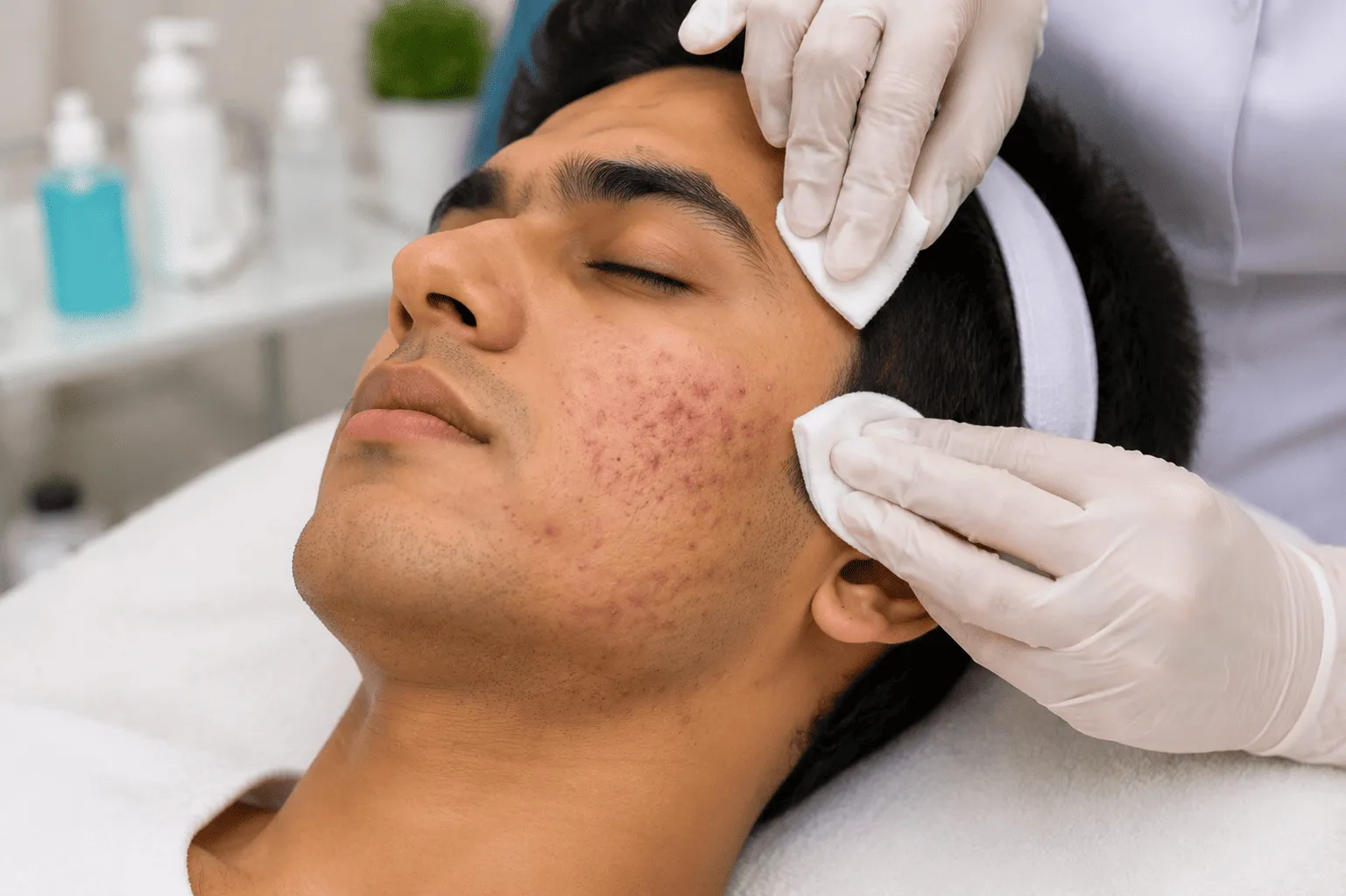
Acne scar treatment is planned according to the type of scar, its depth and your skin type. A personalized treatment plan usually provides better results than using the same procedure for every patient.
Different scar patterns often require different treatments. Ice-pick scars, rolling scars, boxcar scars and raised scars may be treated with procedures such as microneedling, subcision, laser treatment, chemical peels, or carefully selected combination treatments. The goal is to improve skin texture gradually while supporting healthy collagen remodeling.
Acne scars happen when severe acne damages the skin’s collagen and healing process. They remain because the skin cannot completely rebuild the lost tissue naturally, causing permanent texture changes, pits, or marks that may require professional acne scar treatment in Egmore.
When acne becomes deep and inflamed, it can affect the inner layers of the skin. During healing, the body may produce too little or too much collagen, leading to different types of scars.
Common reasons acne scars become more noticeable include: Delaying acne treatment, picking or squeezing pimples, severe inflammatory acne, incorrect skincare products, and repeated acne breakouts.
Ice pick scars are narrow, deep holes in the skin caused by severe acne damage. They usually require targeted treatments that stimulate collagen production and improve skin structure.
Boxcar scars appear as wider depressions with defined edges. They occur due to collagen loss during acne healing and can affect overall skin smoothness.
Rolling scars create an uneven skin surface with wave-like depressions. They are usually caused by damage beneath the skin that pulls the surface downward.
Post-acne marks are dark spots left after pimples heal. Unlike deep scars, pigmentation often improves with suitable skin treatments and proper skincare.
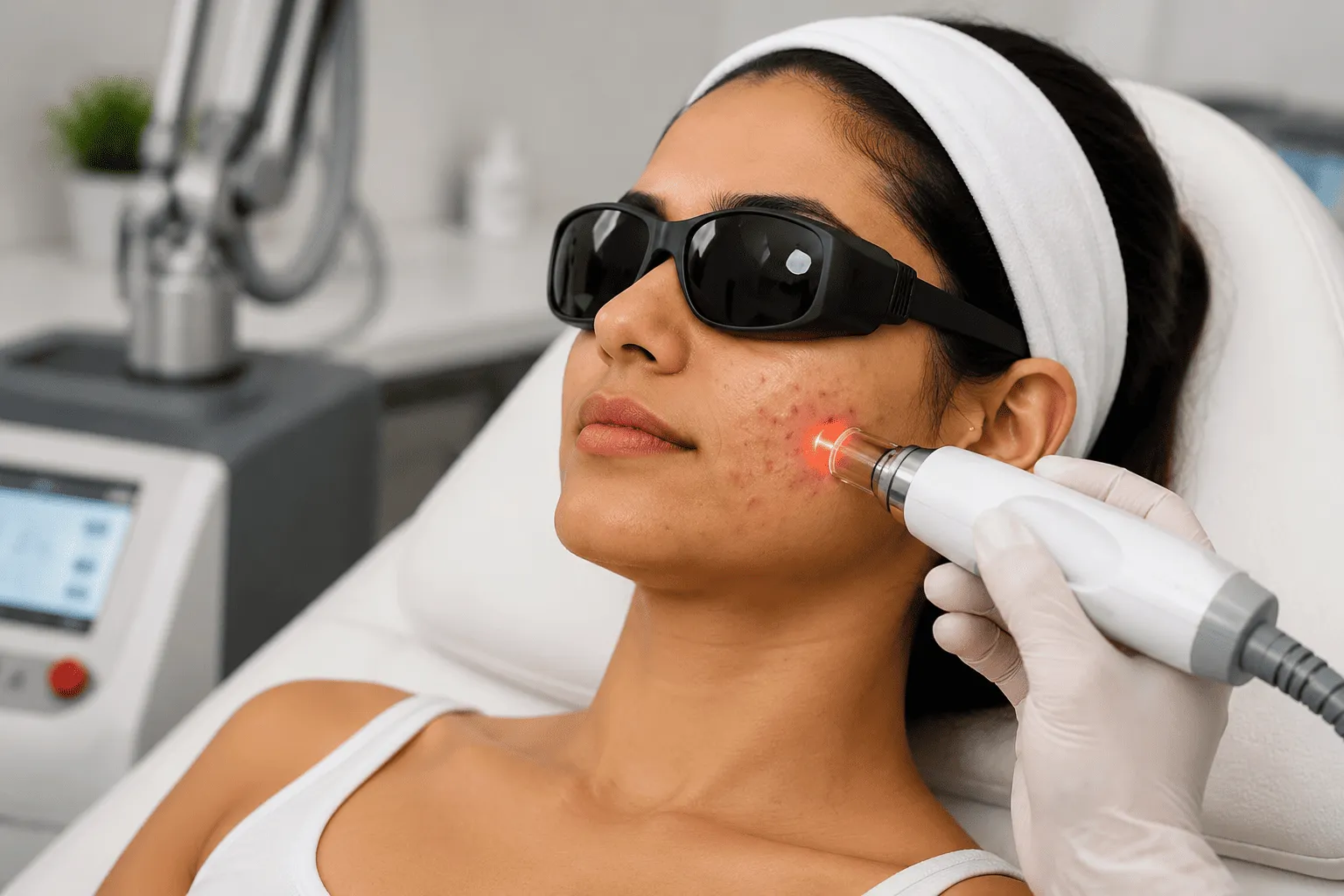
Laser treatments help improve skin texture by stimulating collagen production and encouraging skin renewal. They are commonly used for improving uneven texture and depressed scars.
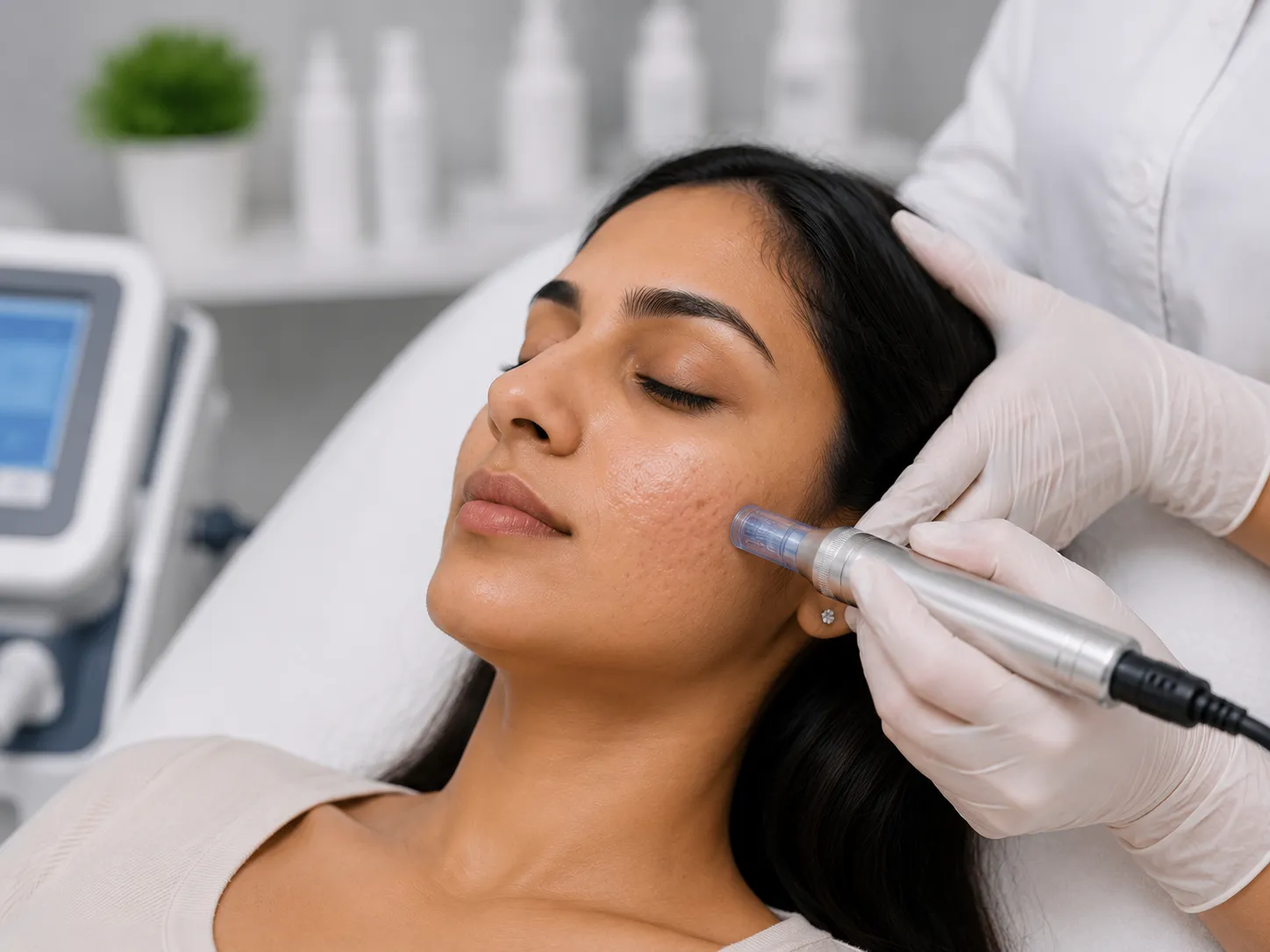
Microneedling creates controlled micro-injuries in the skin to activate the natural healing response. This encourages new collagen formation and improves skin smoothness.
Chemical peels help remove damaged surface cells and improve concerns like pigmentation, dullness and uneven skin tone.
Some patients require multiple approaches because they may have different scar types at the same time. Combining treatments can provide more comprehensive improvement. A dermatologist in Egmore can recommend the right treatment after examining your skin condition.
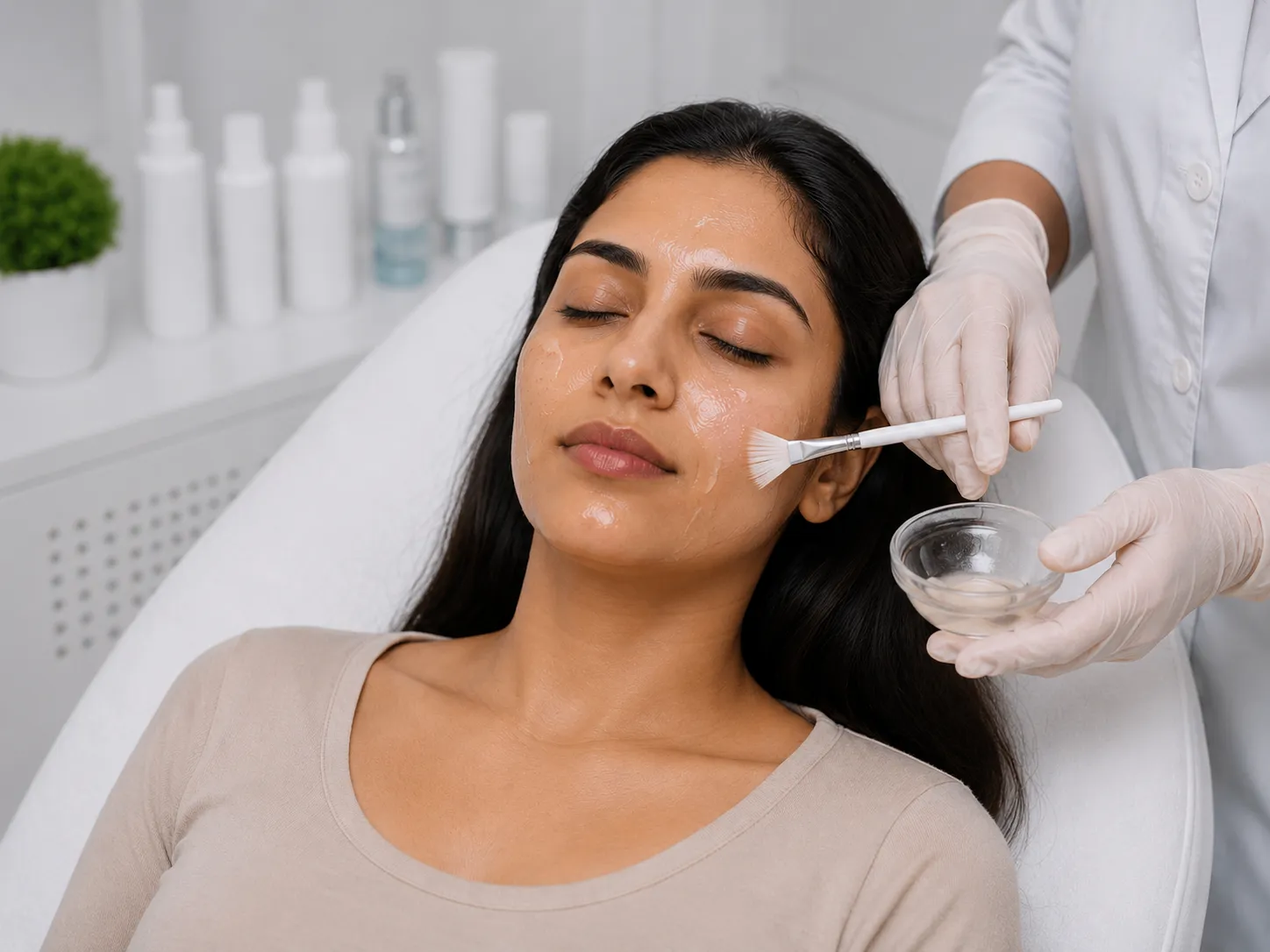
Acne scar treatment can improve skin texture, reduce the appearance of scars and make the skin look smoother. Results usually appear gradually as the skin produces new collagen and repairs itself after treatment.
Most treatments focus on improving the appearance of scars rather than completely removing every mark. Consistent treatment and proper skincare help achieve better long-term results.
Before and after acne scar treatment results usually show smoother skin texture, reduced scar visibility and improved skin quality. The level of improvement depends on the severity of scars and the treatment plan used.
Patients commonly notice more even skin texture, reduced appearance of deep scars, improved confidence, and healthier-looking skin. Visible changes usually develop over multiple weeks or months.
Choose an acne scar treatment clinic in Egmore that provides personalized treatment plans, experienced specialists, advanced technology and proper skin evaluation.
Before selecting a clinic, consider detailed skin consultations, experienced specialists, advanced treatment options, and a customized approach. Choosing the right clinic helps improve safety, comfort and effectiveness.
Common acne scar treatment mistakes include picking pimples, using unsuitable skincare products, delaying treatment and expecting instant results from home remedies.
Avoid scrubbing acne scars aggressively, using random online remedies, applying harsh chemicals without guidance, ignoring active acne, and skipping sun protection. Professional care focuses on safety.
After acne scar treatment, maintain your results by using sunscreen, following a gentle skincare routine, keeping your skin hydrated and following your dermatologist’s aftercare instructions.
Recommended habits include: applying sunscreen daily to prevent pigmentation, avoiding harsh exfoliation after procedures, using dermatologist-recommended skincare products, keeping skin moisturized, and maintaining follow-up appointments.
We map the type, depth and distribution of scars while examining active acne, pigmentation and overall skin quality.
A personalised sequence of procedures is designed to target different scar patterns while respecting your skin tone and recovery needs.
Selected techniques remodel scar tissue, stimulate renewal or release deeper attachments responsible for visible depressions.
Post-procedure skincare, sun protection and appropriately timed sessions support recovery and preserve the improvement achieved.