




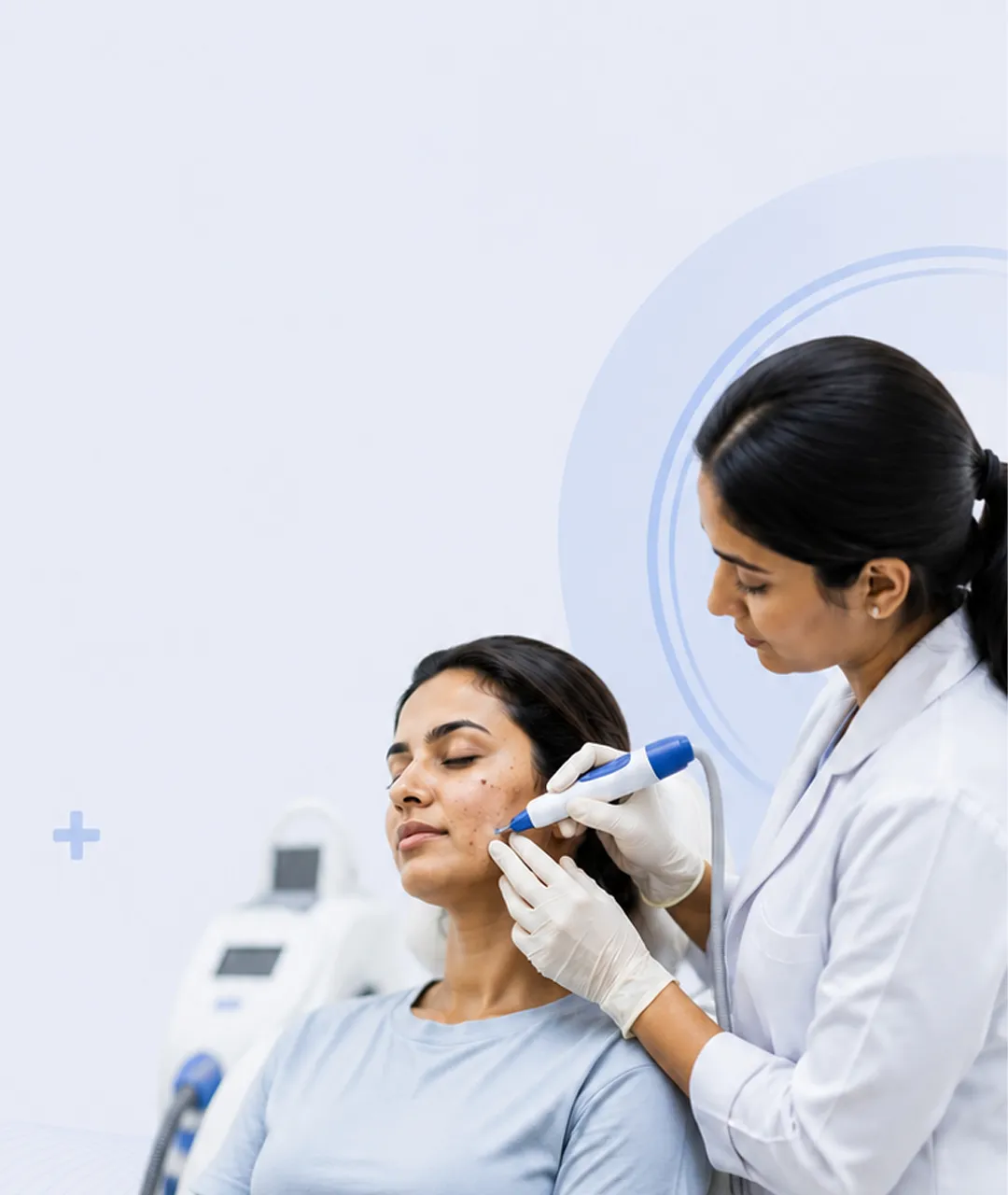
Acne treatment in Egmore helps reduce active pimples, inflammation, recurring breakouts and the risk of acne scars through personalized dermatologist-guided care. The right treatment depends on the type of acne, its severity and the factors triggering your breakouts.
Acne is more than an occasional pimple. It can affect teenagers and adults, appear on the face, chest, back and shoulders and often return repeatedly if the underlying cause is not addressed. At Safa Skin and Hair Clinic in Egmore, acne treatment begins with understanding your skin condition and creating a treatment plan that focuses on long-term skin health rather than temporary relief.
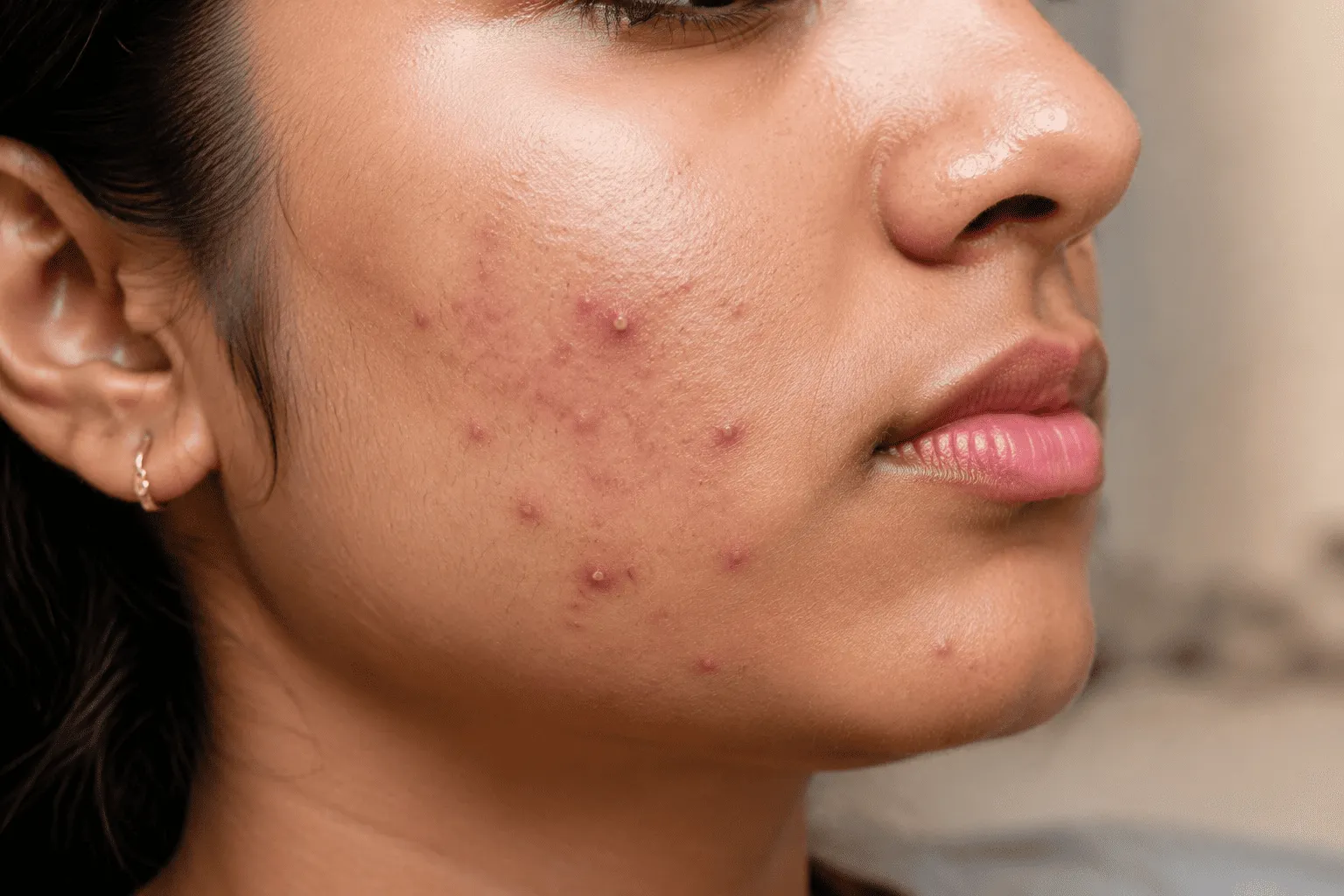
Acne develops when hair follicles become blocked with oil, dead skin cells and bacteria, leading to pimples, blackheads, whiteheads, or deeper inflamed lesions. Recurring acne usually happens because the underlying triggers continue to affect the skin.
Common acne triggers include excess oil production, hormonal changes, genetics, stress, certain cosmetics, friction from helmets or masks and delayed treatment. Many people treat only the visible pimples, but recurring breakouts often require a medical evaluation to identify the pattern and cause.
Common Acne Types: Whiteheads & blackheads, inflamed red pimples, pus-filled acne lesions, painful nodules/cysts, and breakouts on the face, jawline, chest, or back.
Treating acne early can help reduce inflammation, prevent deeper skin damage and lower the risk of acne scars and persistent pigmentation. Waiting for acne to resolve on its own may allow repeated inflammation to affect collagen and skin texture.
Early treatment helps control active breakouts, reduce redness and swelling, minimize post-acne marks, and lower the risk of permanent scars. This is especially crucial for painful or cystic acne.
Acne treatment works by reducing excess oil, controlling bacterial growth, decreasing inflammation and preventing clogged pores. The most effective treatment depends on your skin type, acne severity and previous treatment response.
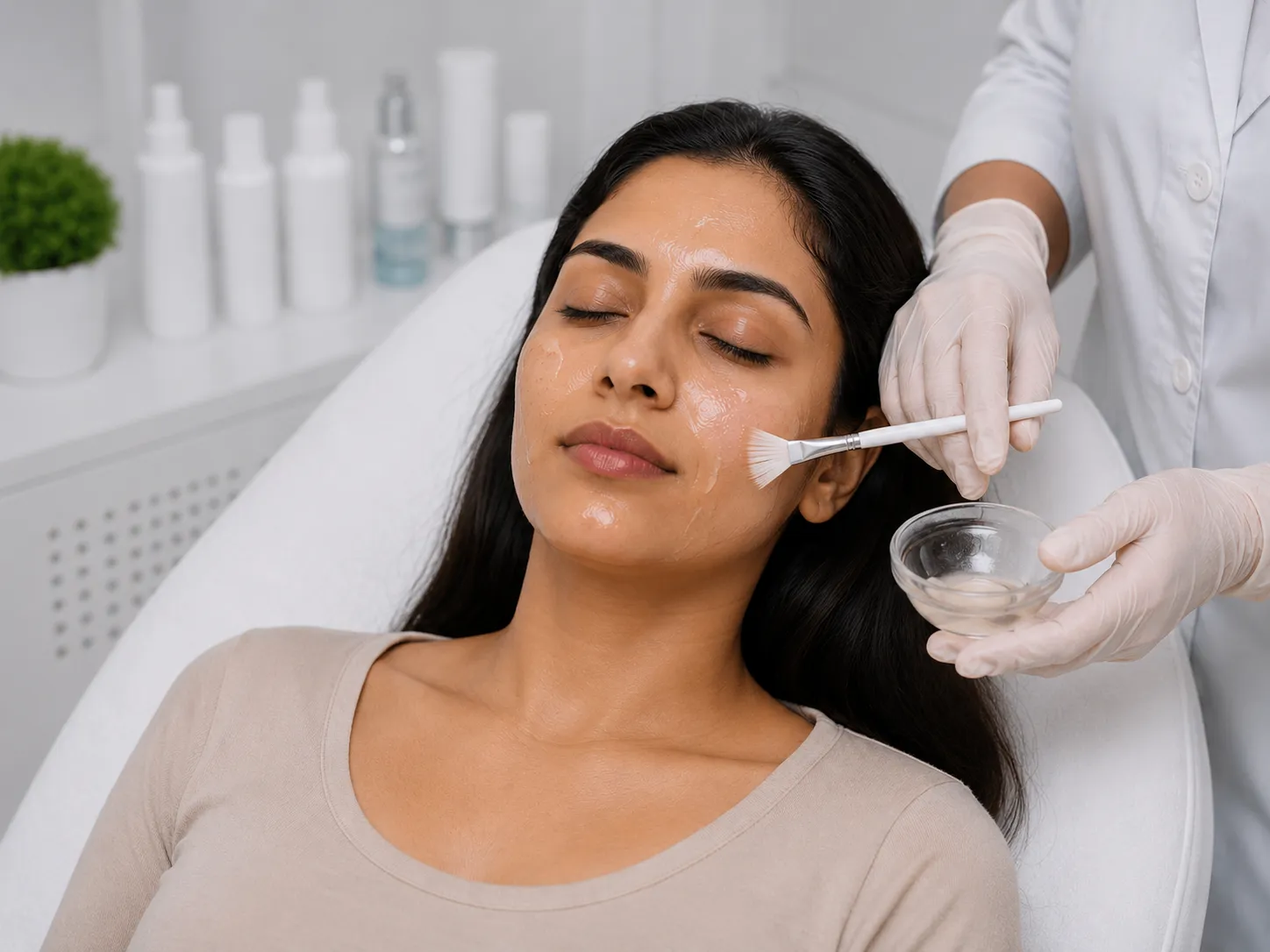
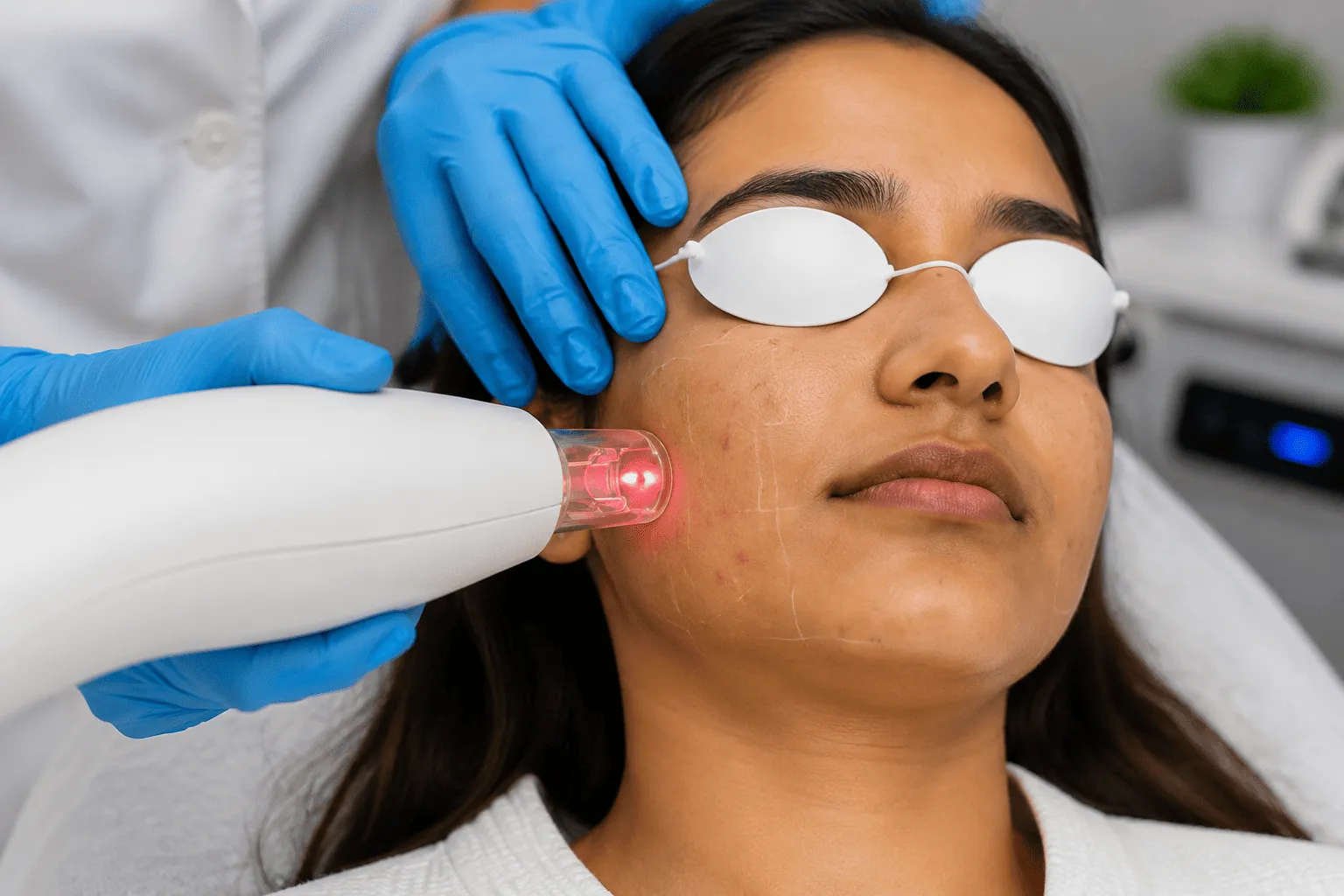
After a skin assessment, treatment may include: prescription topical medications, oral medications, chemical peels, and supportive procedures. The goal is to clear existing acne and prevent future breakouts.
There is no single best acne treatment for everyone because acne varies from person to person. A personalized treatment plan is usually more effective than using the same products for every type of acne. We evaluate oily/combination/sensitive skin, teenage vs. adult acne, hormonal patterns, body acne, pigmentation, and early signs of scarring to improve treatment effectiveness.
Choose Safa Skin and Hair Clinic in Egmore for personalized dermatologist-led acne care that focuses on treating the underlying causes of breakouts and protecting long-term skin health. Our approach is based on careful evaluation, evidence-based treatment, trigger management, and supportive follow-up monitoring.
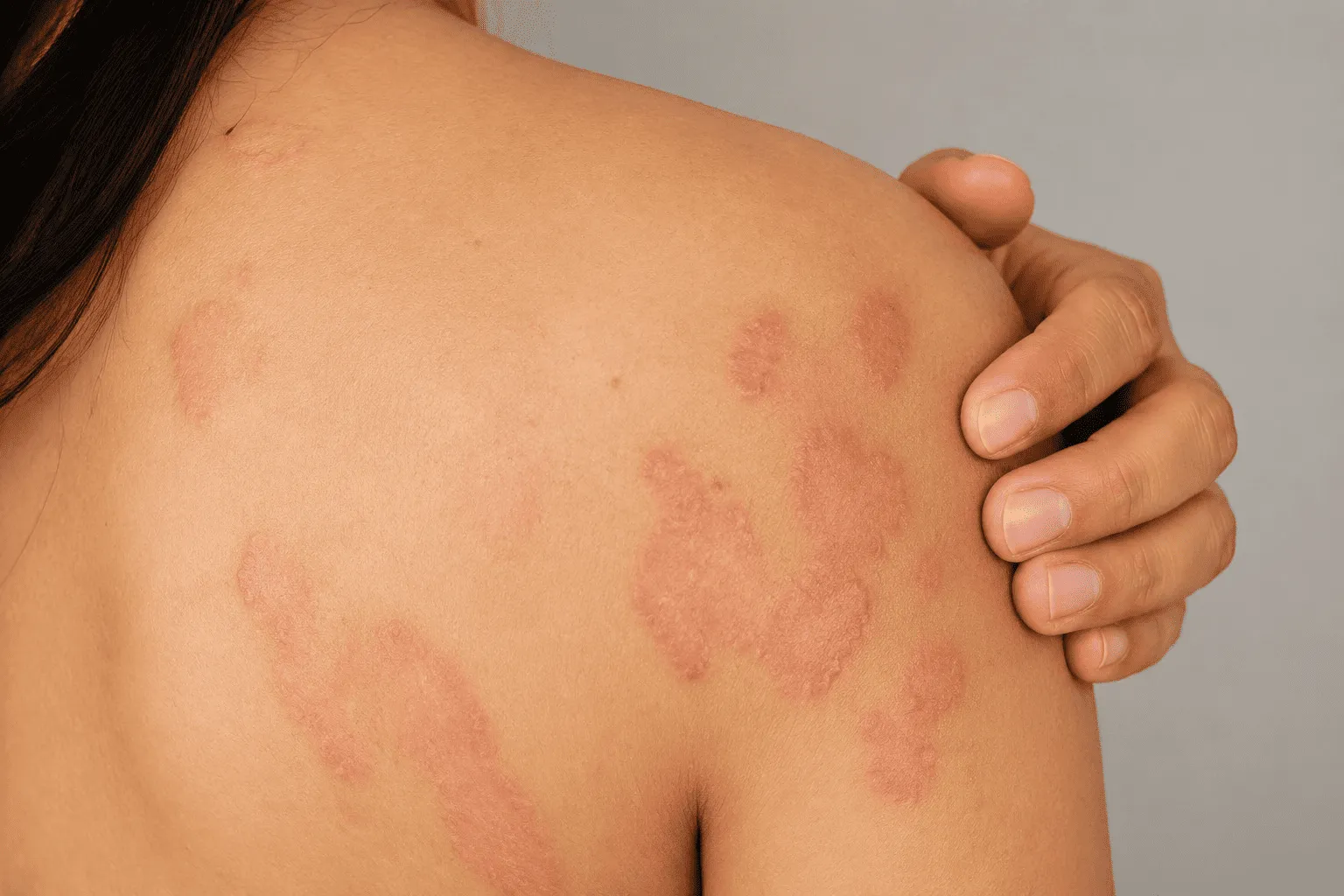
Acne treatment is recommended for teenagers and adults with recurring pimples, painful breakouts, hormonal acne, body acne, acne marks, or early scars.
Adult acne is common due to hormones, stress, genetics, or skincare factors. When breakouts become frequent, seeking medical care helps prevent scarring.
See a dermatologist if acne is painful, recurring, leaving marks, causing scars, or not improving with over-the-counter skincare products after several weeks.
Early treatment reduces inflammation and avoids permanent damage to skin texture and color. Delaying can lead to deeper scarring.
An acne consultation includes a detailed skin examination, severity assessment, trigger evaluation, and a personalized treatment plan.
Your dermatologist will review active lesions, acne marks, and signs of early scarring to recommend medications, clinical procedures, or skincare updates.
Preventing recurring acne requires consistent skincare, sun protection, avoiding picking at active lesions, and sticking to your dermatologist's plan even after your skin begins to clear up. Many people stop treatment too early, leading to relapses.
A gentle skincare routine, daily sunscreen, non-comedogenic cosmetics, and periodic follow-up visits help maintain skin balance, protect the barrier, and keep triggers under control.
A dermatologist examines the type of acne, severity, skin sensitivity, pigmentation and any signs of scarring.
We identify possible contributing factors such as hormones, skincare products, lifestyle habits, medications and recurring breakout patterns.
A customized treatment plan is created based on your skin condition, severity, and long-term treatment goals.
Regular follow-ups help assess improvement, adjust medications if needed and prevent new breakouts or acne marks.